Many Seniors Are Ill - What It Means for Home Safety
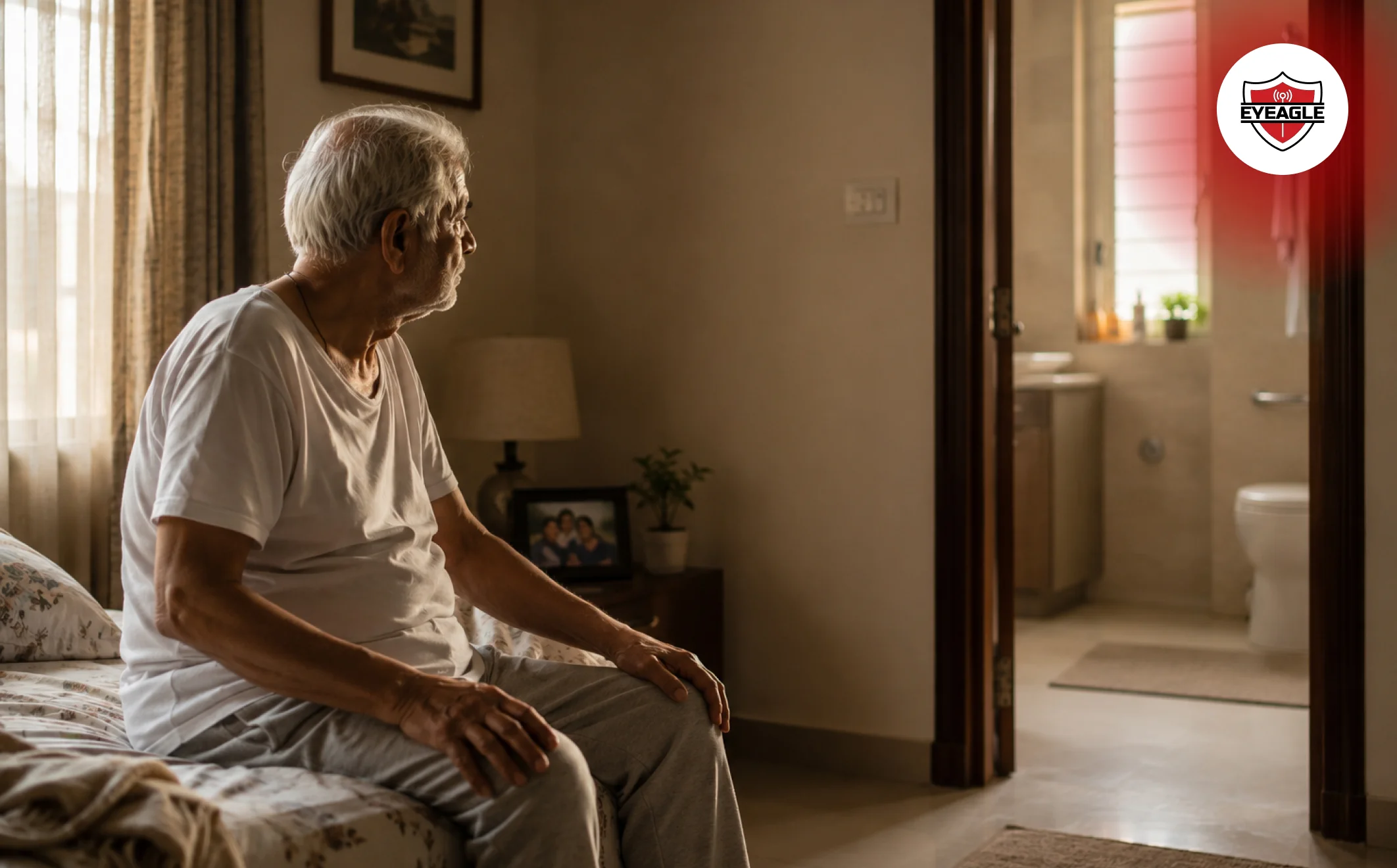
When 72-year-old Mr. Iyer stopped going for his evening walk, his family thought it was just age slowing him down. A few months later, a medical check-up revealed that he was living with undiagnosed diabetes and nerve damage, silent conditions that had slowly weakened his balance and confidence. His story is a reminder that senior home safety isn’t only about preventing accidents; it begins with understanding hidden health risks.
According to the Longitudinal Aging Study in India (LASI) reported by The Times of India, a growing number of elderly Indians live with undiagnosed illnesses, from high blood pressure and diabetes to heart disease and cognitive decline. Many of them believe they’re healthy simply because they don’t feel pain or discomfort.
But what they don’t know can quietly endanger them. Hidden illnesses don’t just affect the body; they alter movement, awareness, and reaction time, turning familiar homes into silent danger zones. One unnoticed step, one moment of dizziness, and the comfort of home can become a place of risk.
The silent threats: common undiagnosed illnesses in older adults
Not all health problems announce themselves loudly. In fact, many seniors live with conditions that quietly weaken their bodies long before any symptoms appear. These hidden illnesses don’t just affect health; they directly influence senior home safety, increasing the risk of accidents, falls, and daily discomfort.
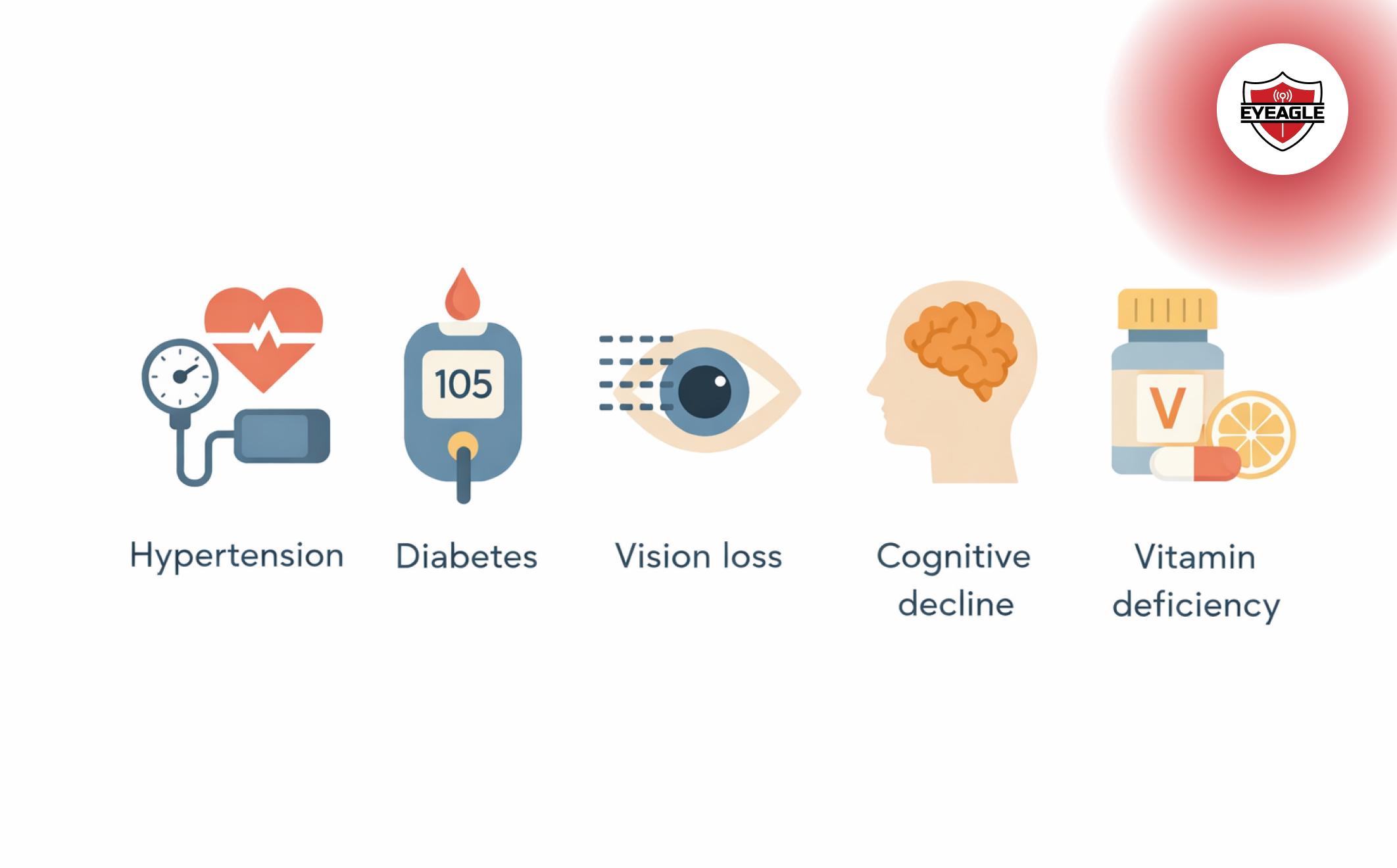
1. Hypertension (High blood pressure)
Often called the “silent killer,” hypertension can damage the heart and blood vessels without obvious signs. For seniors, it can cause sudden dizziness or blackouts, making even simple movements, like standing up or climbing stairs, a potential hazard.
2. Diabetes
Many older adults live with diabetes for years without knowing it. Uncontrolled sugar levels lead to nerve damage in the feet (neuropathy), causing numbness and poor balance. When your feet can’t feel the ground, every step at home, especially on slippery tiles, becomes a fall waiting to happen.
3. Vision and hearing loss
Gradual loss of vision or hearing often goes unnoticed because it happens slowly. But poor depth perception or reduced alertness to sounds (like an approaching vehicle or a ringing phone) can make seniors more vulnerable to accidents and isolation.
4. Cognitive decline and depression
Mild memory loss or confusion is often brushed off as “normal aging,” but these are early signs of cognitive decline or even dementia. Seniors may forget to switch off gas stoves, leave wet floors unattended, or lose confidence in moving around safely. Depression, too, is a silent illness, reducing energy, motivation, and self-care.
5. Vitamin deficiencies and weak muscles
Low Vitamin D and B12 levels are extremely common in older adults. They lead to weak bones, poor coordination, and slow reflexes, small problems that collectively increase the chance of falls.
Why hidden illnesses turn homes into risk zones
For most seniors, home feels like the safest place on earth. It’s where they raised families, built routines, and found comfort. But when undiagnosed illnesses creep in, even the safest space can quietly become a place of risk.
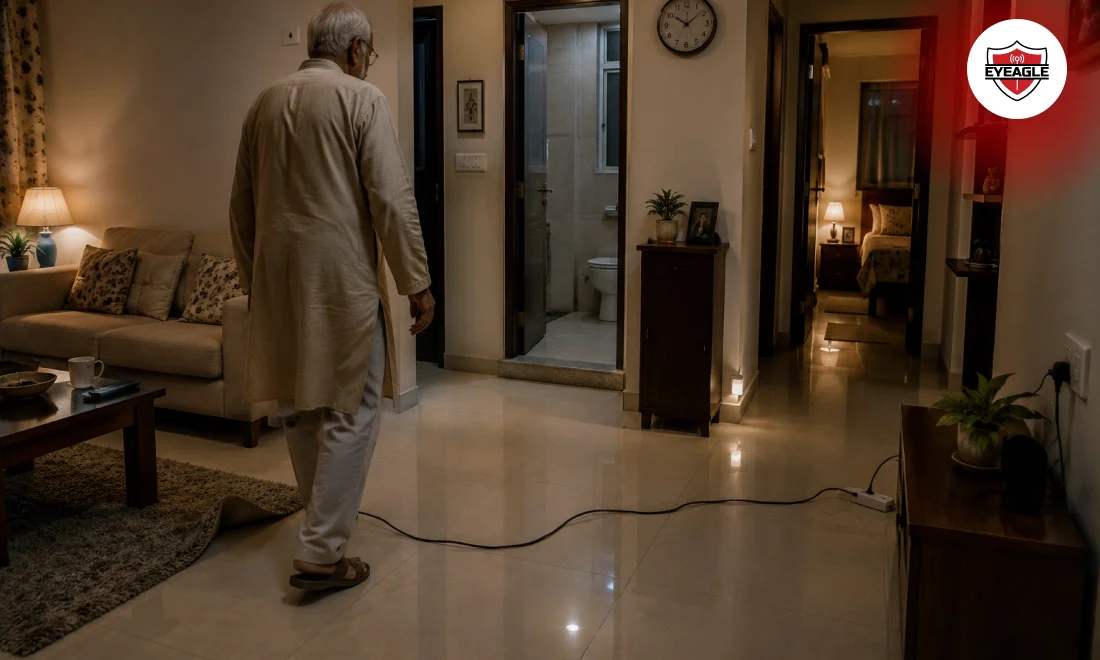
A senior with mild dizziness from high blood pressure may misjudge a step. Someone with diabetic numbness may not feel a slippery floor. A small cognitive lapse might lead to leaving a stove burner on. Each of these moments, isolated on its own, may seem harmless, but together they form a pattern of hidden danger.
According to multiple health studies, over 60% of elderly injuries happen at home, and the majority are due to falls, often triggered by underlying, unnoticed elderly health issues. These aren’t random accidents; they’re symptoms of a system that’s quietly failing inside the body.
Among all home areas, bathrooms pose the highest risk for falls- wet floors, narrow spaces, and poor lighting make them particularly dangerous for seniors with balance or vision issues. Installing EyEagle bathroom safety fittings, such as anti-slip mats and grab bars, can drastically reduce these risks.
When movement slows, reflexes dull, and vision fades, the environment that once offered comfort begins to challenge independence. The same familiar furniture, stairs, or bathroom corners become potential hazards, not because the home changed, but because health did.
The truth is simple yet often overlooked: senior home safety isn’t just about railings, ramps, or mats. It’s about understanding how internal health and external surroundings interact. Without awareness of what’s happening inside, even the most well-equipped home can fall short of being truly safe.
For a deeper dive into how falls have become a silent epidemic among seniors, read the full article.
Recognizing subtle signs: when seniors don’t say they’re unwell
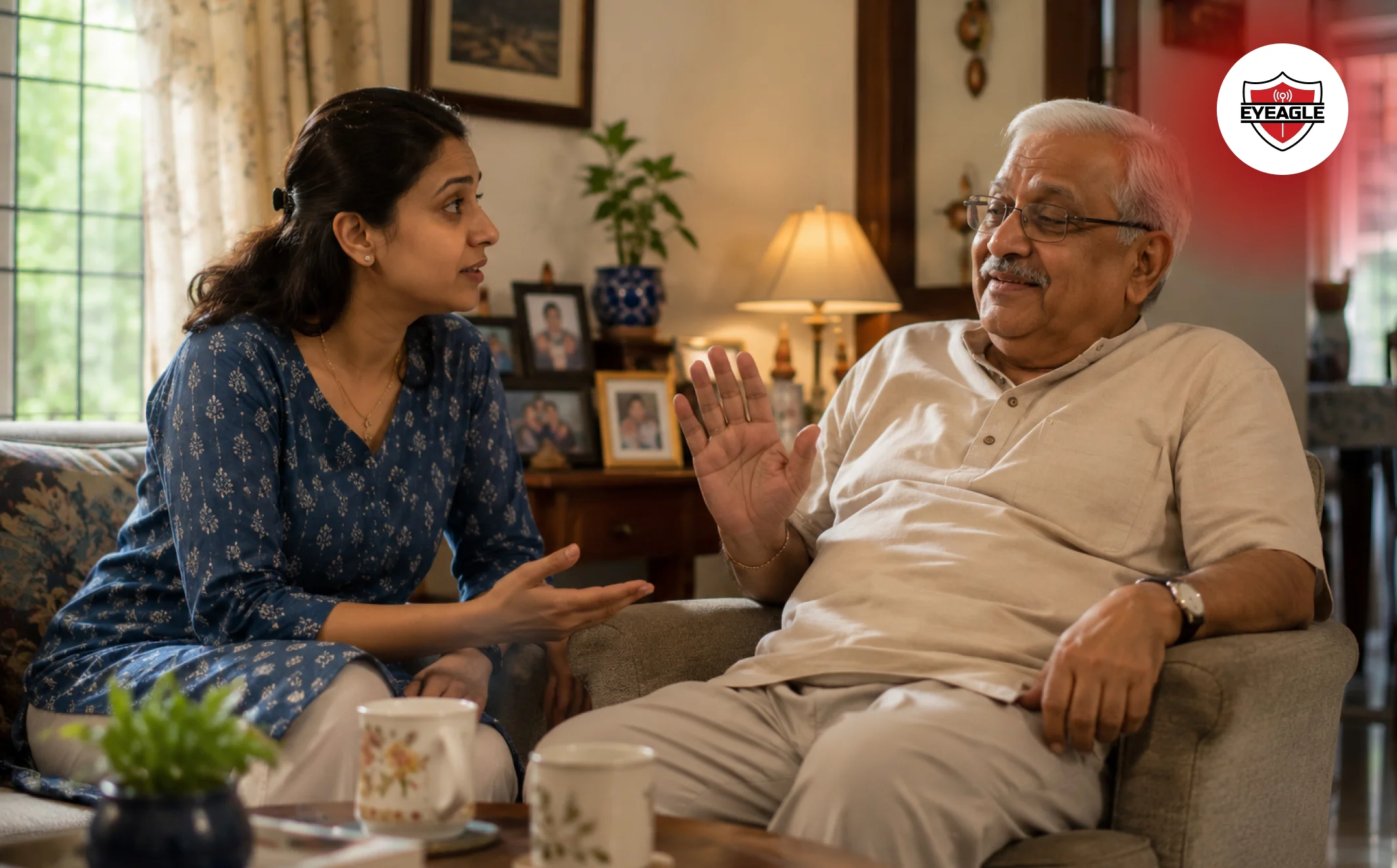
Most seniors don’t like to complain. They’ve spent a lifetime being strong, for their families, for themselves, and often see admitting weakness as a loss of dignity. That’s why many illnesses go unnoticed, not because families don’t care, but because the signs are easy to miss.
-
A sudden drop in energy or interest in favorite activities could signal depression, thyroid issues, or low Vitamin B12.
-
Changes in appetite or sleep patterns - may point to diabetes, medication side effects, or emotional stress.
-
Frequent minor balance issues or “just a little dizziness, early signs of hypertension, or inner-ear problems.
-
Forgetfulness, irritability, or withdrawal could indicate cognitive decline or early dementia.
-
Unexplained bruises or minor falls are often the earliest physical clues of an undiagnosed illness affecting balance or coordination.
Turning awareness into action: making homes safer
Awareness is only half the battle; the next step is action. When seniors face hidden health issues, even small changes in the home can make a big difference. The goal isn’t to “protect” them like children; it’s to equip them to live safely, confidently, and independently.
1. Begin with a Health Baseline
Before rearranging furniture or adding gadgets, schedule a full medical check-up, including blood pressure, sugar, eyesight, hearing, bone health, and cognitive screening. Detecting issues early allows you to match the right safety measures to the real risks.
2. Audit the Home for Hidden Hazards
Do a slow, detailed walkthrough of the home, especially bathrooms, kitchens, and staircases. Look for loose rugs, uneven tiles, dim corners, or slippery flooring. Most falls happen in “familiar zones” because people underestimate small risks.
3. Add Simple, Smart Aids
-
Grab bars near toilets and showers
-
Anti-slip mats in bathrooms and kitchens
-
Motion-sensor lights in hallways
-
Raised seating or easy-grip handles
-
Smart sensors that alert family members during emergencies
These small upgrades reinforce senior home safety without disrupting comfort or aesthetics.
4. Encourage Gentle Movement and Good Nutrition
A weak body is more prone to accidents. Encourage light exercises like walking, yoga, or chair stretches, ideally under medical advice. Pair that with protein-rich meals, hydration, and supplements for Vitamin D and calcium to strengthen muscles and bones.
5. Build a Support Circle
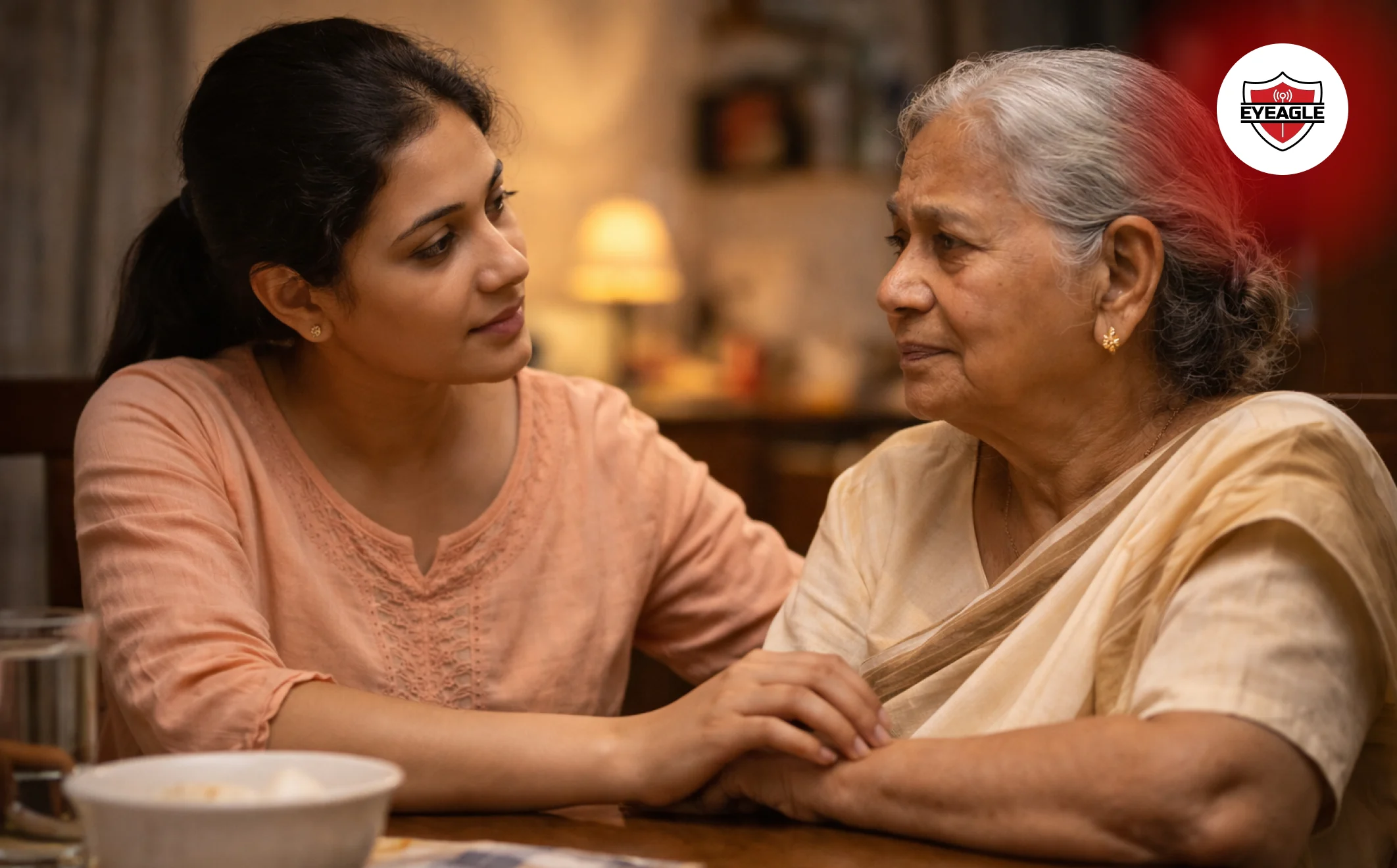
No one should age alone. Create a network of neighbors, relatives, or caregivers who check in regularly. For families who live apart, digital safety tools can help monitor well-being and respond quickly in case of a fall or emergency.
Awareness Is the First Step to Prevention
Not every illness announces itself through blood tests or hospital reports. Many begin quietly, with a hesitant step, a fading smile, or a familiar routine slowly slipping away. These early signs often whisper long before they demand attention. Recognizing them early isn’t just about managing health; it’s about preserving dignity, independence, and senior home safety at its core.
Families don’t need medical expertise to make a meaningful difference. What truly matters is awareness, looking beyond what we dismiss as “normal aging” and staying attentive to change. A timely health check, a safer home layout, a daily phone call, or a shared meal may seem small, but these simple, human actions often prevent life-altering accidents.
As India’s senior population continues to grow, building safer homes and more compassionate support systems becomes a shared responsibility. Every thoughtful step we take, through awareness, empathy, or technology, helps shape a future where aging at home doesn’t mean limitation, but freedom, confidence, and care.