Turning Your Home Into a Safe Home in 2026
As we move into 2026, the meaning of a “safe home” is evolving. Homes are no longer just places to live; they are where we work, care for aging parents, raise children, and recover from illness or injury. With changing lifestyles and longer life expectancy, home safety is becoming a necessity rather than an afterthought.
Most people assume accidents happen outdoors, but studies and real-life experiences show that many serious injuries occur inside the home. Slips, trips, and falls are among the most common causes of injury, especially for seniors. The good news is that turning your home into a safe home doesn’t require major renovations. Thoughtful design, small safety upgrades, and regular awareness can significantly reduce risks and support independent living for years to come.
Understanding Fall Risks Inside the Home
Falls are one of the leading causes of injury at home, particularly among older adults. However, fall risks don’t affect seniors alone. Children, pregnant women, and people with temporary mobility issues are equally vulnerable.
Common causes of falls include:
-
Slippery floors
-
Poor lighting
-
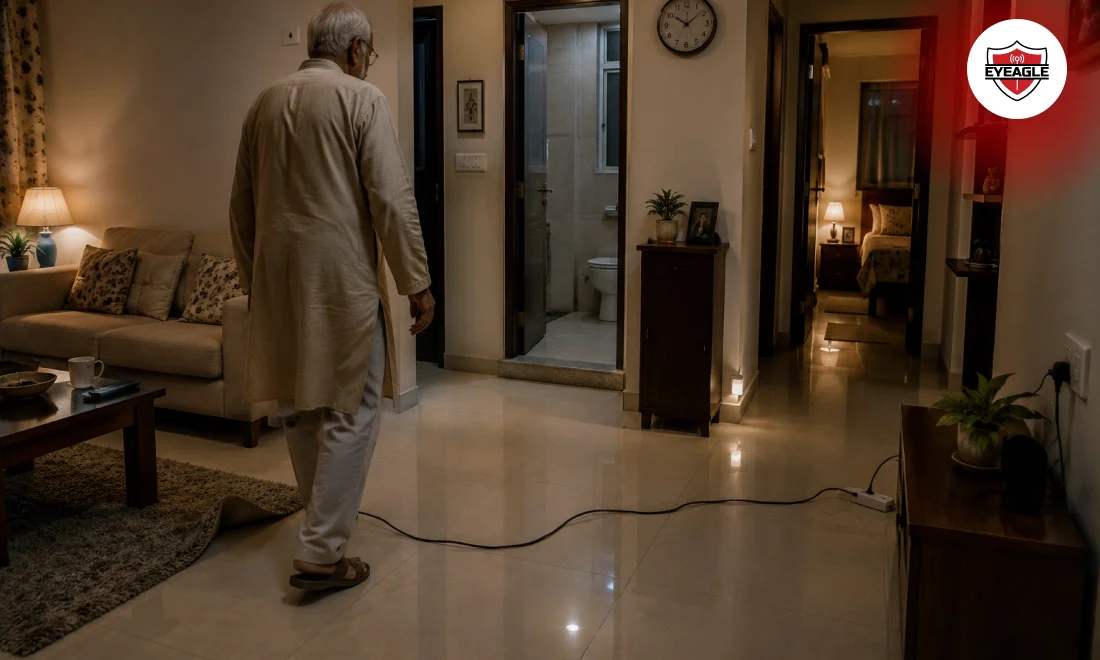
Loose rugs and uneven surfaces
-
Cluttered walkways
-
Lack of handrails or support
Many of these risks go unnoticed because they blend into daily routines. This is why home safety improvements should begin with awareness, understanding where risks exist, and how they can be reduced before an accident happens.
Flooring That Protects, Not Endangers
Flooring plays a major role in fall risk reduction. While glossy tiles and smooth surfaces may look appealing, they often become slippery, especially when wet.
To improve safety:
-
Choose non-slip flooring in bathrooms, kitchens, and balconies
-
Avoid highly polished tiles in high-traffic areas
-
Use anti-skid mats instead of loose rugs
-
Secure carpets properly or remove them if they curl at the edges
Rugs and trip hazards are one of the most overlooked dangers in homes. Even a slightly raised edge can cause a serious fall. Safe flooring for homes should prioritize grip, stability, and ease of movement over aesthetics alone.
Bathroom Safety: The Most Critical Area in the Home
Bathrooms are consistently identified as the highest-risk area in any home. Water, smooth surfaces, and limited space create the perfect conditions for slips and falls.
Key bathroom safety modifications include:
-
Installing grab bars near the toilet and inside the shower
-
Using non-slip flooring or anti-skid mats
-
Ensuring proper drainage to prevent water pooling
-
Keeping toiletries within easy reach to avoid sudden movements
Many families only realize bathroom risks after an accident occurs. Today, some homeowners choose to conduct a basic bathroom safety assessment to identify hazards early and plan preventive steps. Simple modifications like EyEagle bathroom safety fittings can dramatically improve safety without affecting comfort or appearance.
Stairways, Hallways, and Doorways: Everyday Danger Zones
Stairs and narrow passages are part of daily movement, yet they account for a large number of home accidents.
For better stair safety at home:
-
Install sturdy handrails on at least one side, ideally both
-
Add anti-skid strips to stair edges
-
Ensure steps are evenly lit and clearly visible
Doorway and hallway safety is equally important. Keep these areas free from clutter, such as shoe racks, bags, or loose furniture. Clear pathways allow safe movement, especially for seniors and individuals using walking aids.
Lighting: A Simple Upgrade With a Big Impact
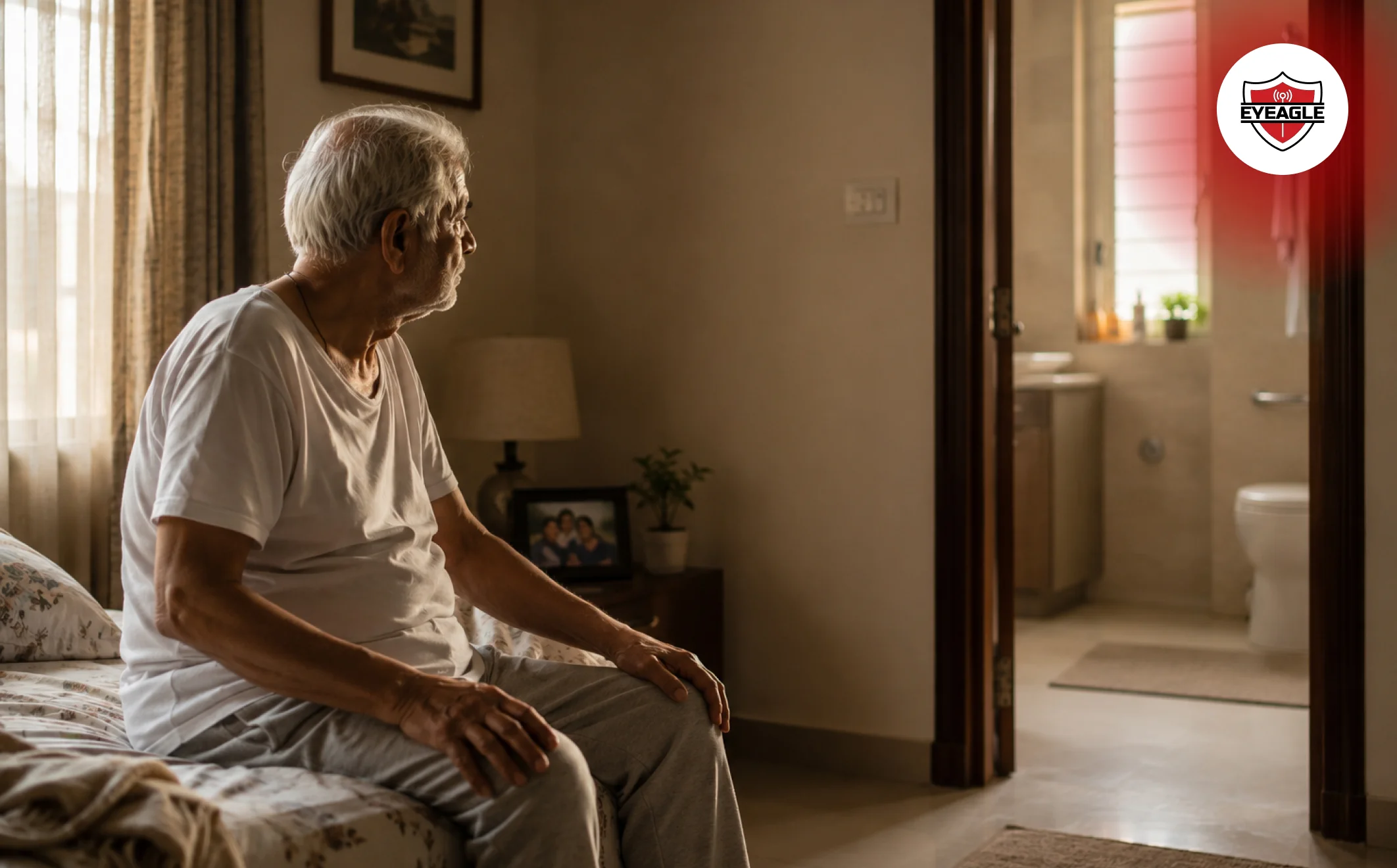
Proper home lighting is one of the easiest and most effective safety improvements. Poor visibility increases fall risk, particularly during nighttime bathroom visits.
Lighting tips for a safe home:
-
Bright, even lighting in hallways and staircases
-
Night lamps or motion-sensor lights in bedrooms and bathrooms
-
Avoid sharp contrasts between light and dark areas
Night-time home safety is essential for seniors who may wake up disoriented. Gentle, well-placed lighting helps prevent missteps and builds confidence during movement.
Clutter-Free Living Spaces for Safer Movement
Clutter is more than just a visual issue; it’s a safety hazard. Items left on the floor, tangled wires, or overcrowded furniture can easily cause trips and falls.
To create clutter-free living spaces:
-
Keep walkways clear at all times
-
Arrange furniture to allow easy movement
-
Secure electrical cords along walls
-
Avoid placing stools or small tables in walking paths
A clutter-free home not only improves safety but also creates a calmer, more comfortable environment for everyone.
Making Homes Age-Friendly Without Major Renovations
Home safety modifications don’t always require structural changes. Many age-friendly improvements are simple, affordable, and highly effective.
Examples include:
-
Adding handrails and support rails where needed
-
Replacing loose rugs with non-slip alternatives
-
Raising frequently used items to waist level
-
Improving lighting in key areas
These changes support home safety for seniors while maintaining dignity, independence, and comfort. A well-designed safe home adapts to changing needs rather than forcing people to adjust to unsafe spaces.
The Importance of Regular Home Safety Assessments
Homes change over time, and so do the people living in them. What was safe five years ago may no longer be suitable today.
A home safety assessment helps identify:
- Hidden fall risks
- Areas needing better lighting or support
- Flooring or layout issues affecting mobility
Some families choose professional assessments to gain a clear understanding of potential risks and prioritize improvements gradually. Preventive action is always easier and safer than responding after an accident.
A Safe Home Is a Thoughtful Home
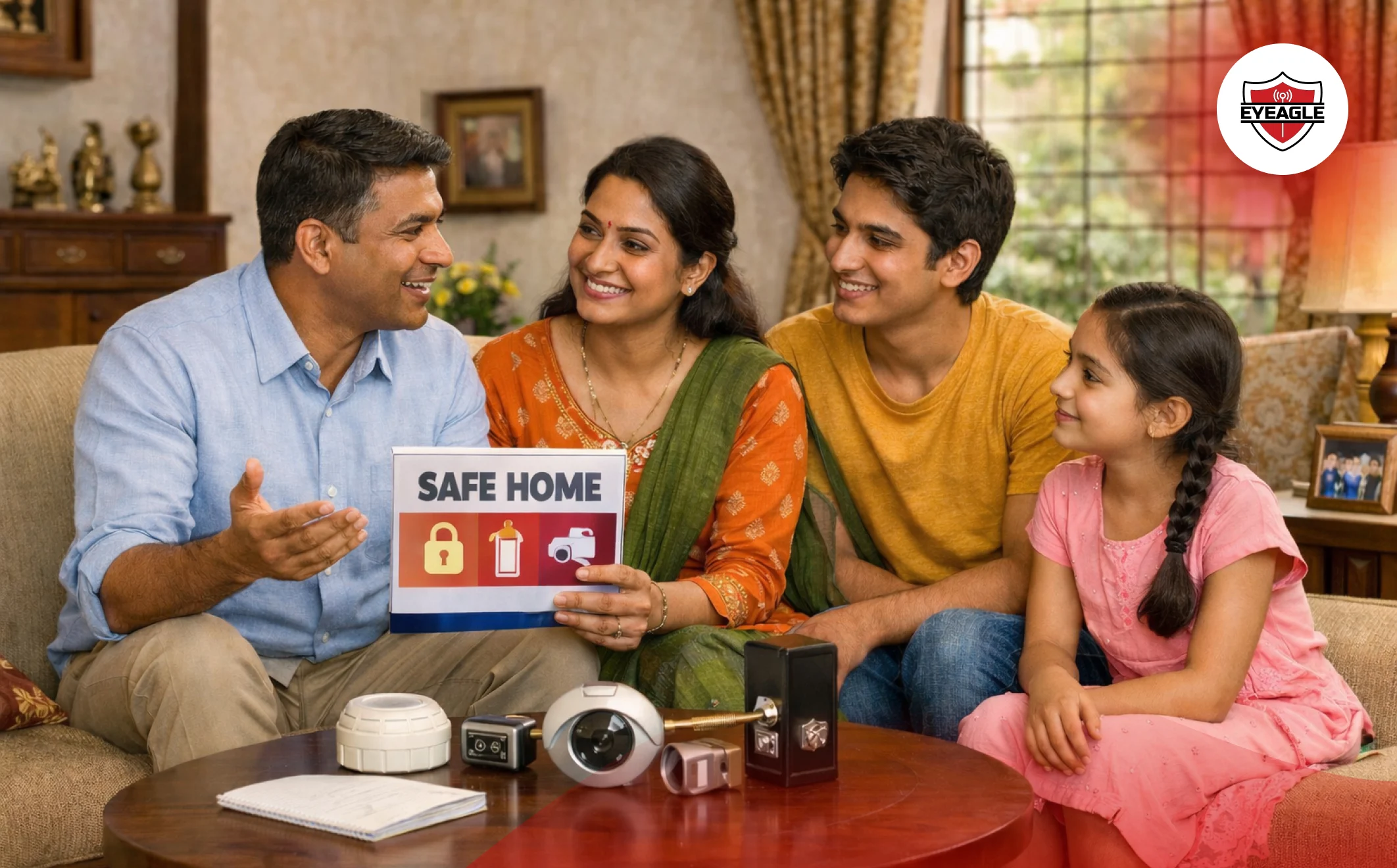
Making your home a safe haven in 2026 is not about fear or restriction. It’s about creating spaces that support confidence, freedom, and peace of mind. Safety-focused design allows people to move comfortably, live independently, and age gracefully in familiar surroundings. By making small, intentional changes to improve flooring, lighting, bathroom safety, and overall layout, you can significantly reduce fall risks and create a home that truly cares for everyone inside it.
A safe home isn’t built overnight. It’s built through awareness, thoughtful choices, and a commitment to protecting the people who matter most.