Health Checkups After 60: A Complete Guide for Seniors
Turning 60 is a milestone that brings wisdom, freedom, and more time for loved ones. But it also means the body needs extra care to stay strong and active. With age, the chances of conditions like diabetes, high blood pressure, heart disease, and bone problems naturally increase. This is why regular health checkups become more important than ever.
Routine health checkups after 60 help in detecting illnesses early, preventing complications, and ensuring seniors enjoy a healthy, independent life. A simple screening or preventive test can make a big difference in long-term wellness and peace of mind.
Why health checkups after 60 matter
After 60, the body undergoes natural changes — metabolism slows down, bones become weaker, and immunity is not as strong as before. These changes increase the risk of lifestyle diseases in old age, such as heart problems, diabetes, and high blood pressure. Many of these conditions show little or no symptoms in the early stages, which makes timely detection crucial.
Routine health checkups after 60 play a key role in preventing serious health issues. Regular screenings help doctors identify risk factors early, provide the right treatment, and guide seniors on how to maintain their health. Preventive healthcare also reduces hospitalizations, lowers medical costs in the long run, and improves overall quality of life.
For seniors, these checkups are not just about adding years to life, but about adding healthy, active years. By staying consistent with medical tests and regular doctor visits, seniors can enjoy greater independence, confidence, and peace of mind in their retirement years.
Common health risks after 60
With age, the body becomes more vulnerable to certain conditions that can affect daily living and overall well-being. Being aware of these risks helps seniors and their families stay alert and take preventive steps. Some of the common diseases after 60 include:
-
Heart Disease & Hypertension – High blood pressure, cholesterol buildup, and weak heart function are frequent concerns. Regular heart checkups for the elderly are essential to prevent complications like heart attack or stroke.
-
Diabetes – The risk of type 2 diabetes increases with age. A simple fasting sugar or HbA1c test can detect the condition early and help manage it better.
-
Bone & Joint Problems – Osteoporosis and arthritis are common as bones lose density and joints wear down, often leading to fractures or mobility issues.
-
Vision & Hearing Loss – Cataracts, glaucoma, and age-related hearing decline are frequent after 60, making routine eye and ear checkups important.
-
Cognitive Decline – Conditions like dementia or Alzheimer’s may develop gradually, highlighting the need for mental health awareness and timely evaluation.
Understanding these risks is the first step toward healthier aging. With regular preventive health screening after 60, many of these conditions can be detected early, managed effectively, and kept from impacting the quality of life.
Essential medical tests and screenings for seniors
After 60, regular screenings and medical tests become crucial for early detection of health issues. Here’s a list of the must-do medical tests after 60 and why they matter:
Heart & cardiovascular health
-
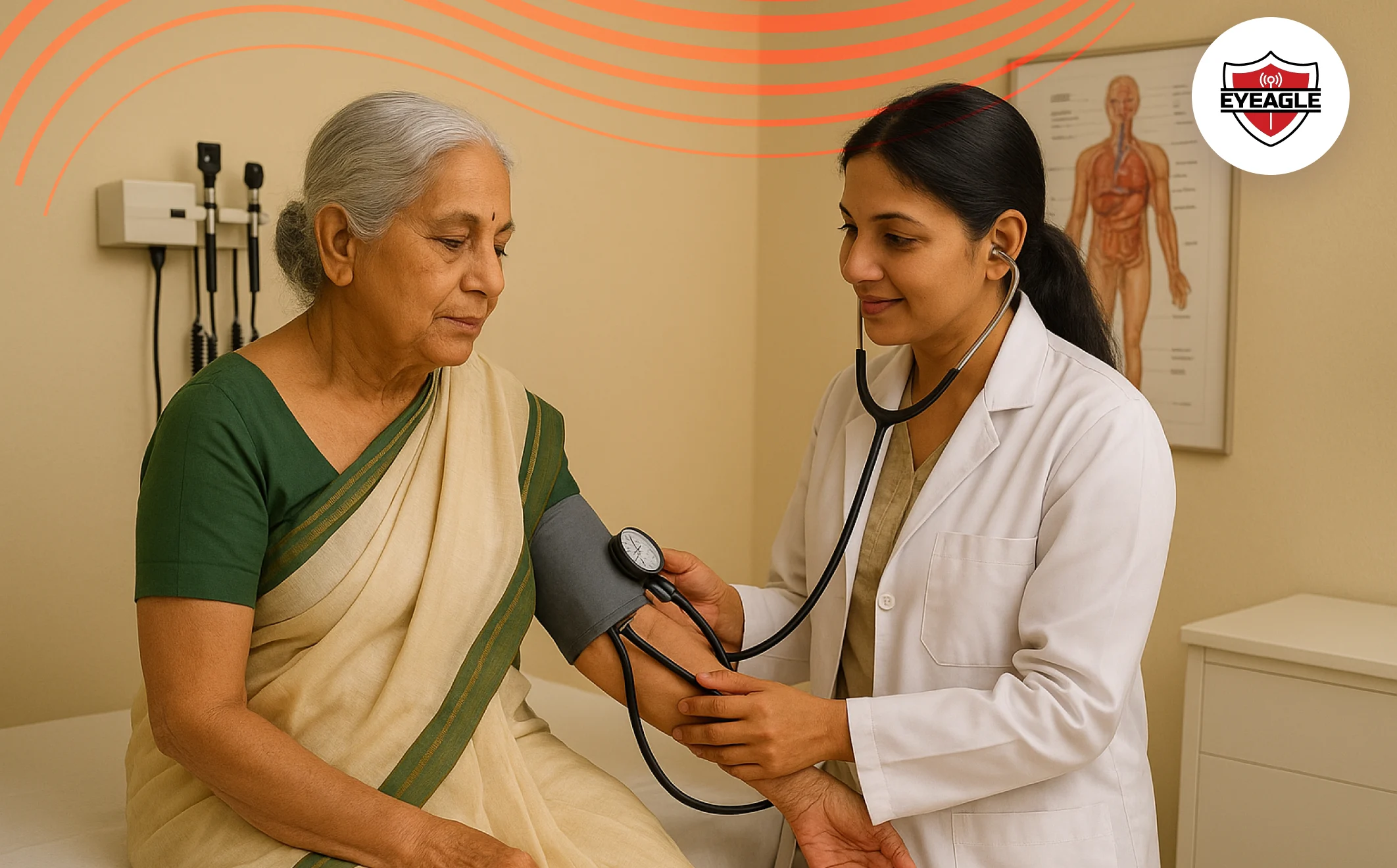
Blood pressure monitoring – High blood pressure often shows no symptoms but can damage the heart, brain, and kidneys if left unchecked.
-
Cholesterol test (Lipid Profile) – Identifies risks for heart disease and stroke.
-
Electrocardiogram (ECG) or Echocardiogram – Helps detect irregular heartbeat, heart blockages, or early signs of heart failure.
Regular heart checkups for the elderly can significantly lower the risk of cardiac emergencies.
Diabetes & metabolic Health
-
Fasting blood sugar & HbA1c test – To detect and monitor diabetes.
-
Thyroid function test – Thyroid issues are common in older adults and can affect metabolism, weight, and energy.
A diabetes test after 60 ensures timely care and lifestyle adjustments.
Bone & joint health
-
Bone density test (DEXA Scan) – Checks for osteoporosis, which is a leading cause of fractures in seniors.
-
Vitamin D & calcium levels – To ensure strong bones and prevent weakness or joint pain.
A bone density test for seniors can help avoid fractures and long-term immobility.
Vision & eye Care
-
Routine eye examination – Detects cataracts, glaucoma, or age-related macular degeneration.
-
Glaucoma screening – Important as it progresses silently but can cause irreversible vision loss.
Regular vision and eye checkups after 60 help maintain independence and safety.
Cancer screenings
-
Colonoscopy (every 5–10 years) – Recommended for detecting colon cancer.
-
Prostate exam (for men) – Identifies early signs of prostate enlargement or cancer.
-
Mammogram & pap smear (for women) – Detects breast and cervical cancers in early stages.
These are essential diagnostic tests in old age that can save lives with timely intervention.
General health & full body checkup
-
Complete blood count (CBC) – Detects anemia, infections, or immune disorders.
-
Kidney & liver function tests – Monitors organ health.
-
Urine & stool tests – Identifies infections or digestive issues.
-
Chest X-ray or ultrasound (if advised) – Provides additional insight into organ function.
A full body checkup after 60 gives a comprehensive picture of overall health.
Lifestyle tips for healthy aging
Medical checkups are important, but daily lifestyle habits play an equally big role in staying fit after 60. Simple changes can go a long way in improving energy, mood, and overall well-being.
Eat a balanced diet – Include fruits, vegetables, whole grains, lean proteins, and calcium-rich foods. Limit salt, sugar, and oily foods to protect the heart and bones.
Stay physically active – Gentle exercises like walking, yoga, or light stretching help maintain flexibility, strength, and balance.
Prioritize sleep – Aim for 7–8 hours of quality sleep to boost immunity and keep the mind sharp.
Stay hydrated – Seniors are more prone to dehydration, so drinking enough water is essential.
Keep the mind engaged – Reading, puzzles, hobbies, or learning new skills support mental health and memory.
Avoid smoking & limit alcohol – Both increase risks of heart, lung, and liver problems.
Regular social interaction – Spending time with family, friends, or community groups reduces loneliness and supports emotional health.
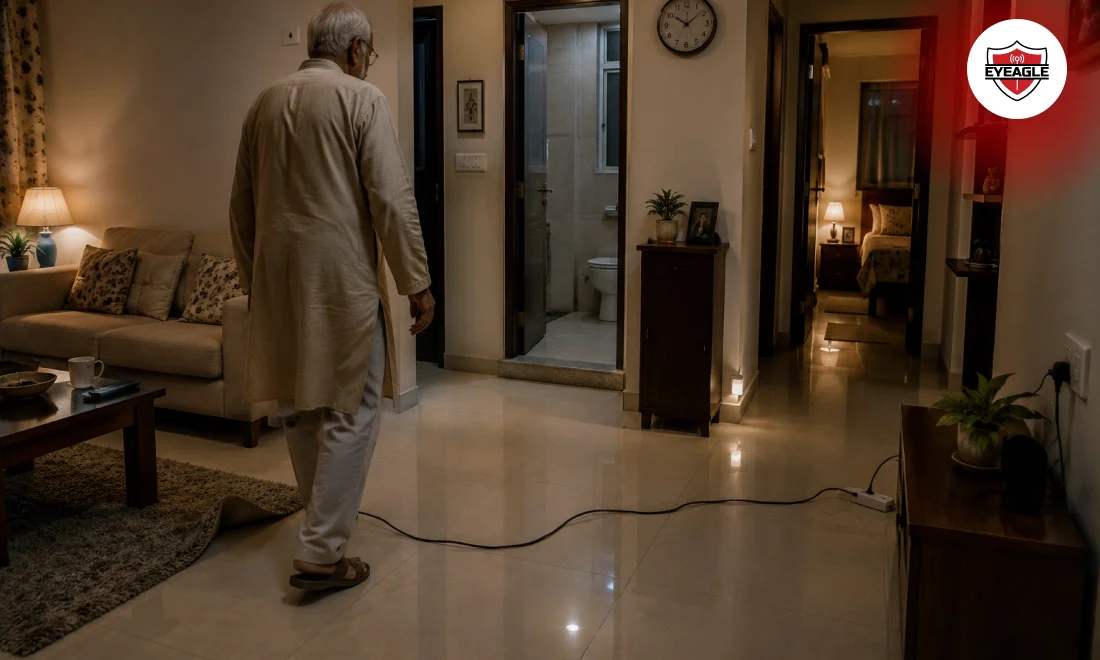
Prevent falls at home – Use non-slip mats, keep pathways clutter-free, ensure proper lighting, and practice balance exercises like yoga or tai chi. Installing EyEagle safety fittings in the bathroom can also reduce the risk of slips and falls, giving seniors and families extra peace of mind.
Healthy habits, combined with routine health checkups after 60, make aging not just about living longer but living better.
Living well beyond 60
Aging after 60 is a phase to be enjoyed but only with the right care. Regular health checkups and preventive screenings act as an early warning system, helping detect hidden conditions before they become serious. Combined with a balanced lifestyle, medical guidance, and family support, seniors can live healthier, more independent, and happier lives.
Remember, the goal is not just to add years to life, but life to years. With timely health checkups and a proactive lifestyle, seniors can embrace their golden years with confidence and peace of mind.