Silver Tsunami in India: Building a Safer Future for Seniors
India is experiencing what experts are calling the Silver Tsunami, a powerful demographic shift driven by rising life expectancy and declining birth rates. As healthcare improves and people live longer, the number of senior citizens in India is increasing at a faster rate than ever before. By 2036, more than 140 million Indians will be above the age of sixty, and this number is expected to double by 2050.
While this growing longevity is a sign of national progress, it also brings urgent challenges that society can no longer afford to overlook. From healthcare access and financial stability to emotional well-being and safety, the needs of seniors are evolving rapidly. Building a safer, more inclusive India for older adults means rethinking healthcare, infrastructure, and technology, not just to help people live longer, but to help them live better.
The demographic shift – India’s aging revolution
India is undergoing one of the most significant demographic transitions in its history. Improvements in healthcare, nutrition, and living standards have steadily increased life expectancy, while declining fertility rates have reduced the share of younger populations. As a result, the nation’s population pyramid is gradually inverting, with older adults representing a larger and more influential part of society.
According to recent projections, India’s elderly population, those aged 60 and above, will make up nearly 20% of the total population by 2050. This marks a monumental shift from a youthful nation to one that must balance longevity with care and inclusion. Longer lives are, in many ways, a triumph of development, yet they also bring new responsibilities. The challenge now is to ensure that those added years are healthy, secure, and meaningful, a goal that requires foresight, planning, and collective effort.
The challenges behind the silver tsunami
The rise in India’s elderly population is both a sign of progress and a warning for the future. As more people live longer, the country faces complex challenges that extend far beyond medical care. For many seniors, the struggle begins with limited access to affordable healthcare, irregular income after retirement, and insufficient social security. In rural areas, these problems are often magnified by distance, lack of awareness, and inadequate support systems.
Equally concerning is the growing emotional and psychological impact of aging. Loneliness, depression, and anxiety are becoming silent epidemics among seniors, especially those living alone, as younger family members move away for work. Without strong community connections or mental health programs, many older adults find themselves isolated despite being surrounded by people.
India’s current infrastructure, policies, and caregiving systems are not yet fully equipped to handle this shift. Meeting the needs of this expanding demographic will require a new approach, one that values safety, dignity, and active participation for every senior citizen.
Rethinking healthcare and policy
As India’s elderly population grows, the country’s healthcare system must evolve to meet their unique needs. Aging brings chronic conditions such as diabetes, arthritis, and cardiovascular diseases, which require consistent medical attention and long-term management. However, most hospitals and clinics remain designed for acute care rather than ongoing geriatric support. This gap highlights the urgent need for age-friendly healthcare reforms, from specialized geriatric departments to accessible home-care models.
Government programs like the National Program for Health Care of the Elderly (NPHCE) and Ayushman Bharat have made progress, but implementation remains uneven across regions. India must now focus on scaling these initiatives, improving awareness, and integrating senior wellness programs into local health systems.
Innovation will play a crucial role too. Advances in telemedicine, remote monitoring, and AI-driven healthcare solutions can bridge accessibility gaps, especially for rural and homebound seniors. Policies that encourage collaboration between government, private health providers, and startups will be key to ensuring that longer life spans are matched by healthier, more supported lives.
The role of technology in senior safety
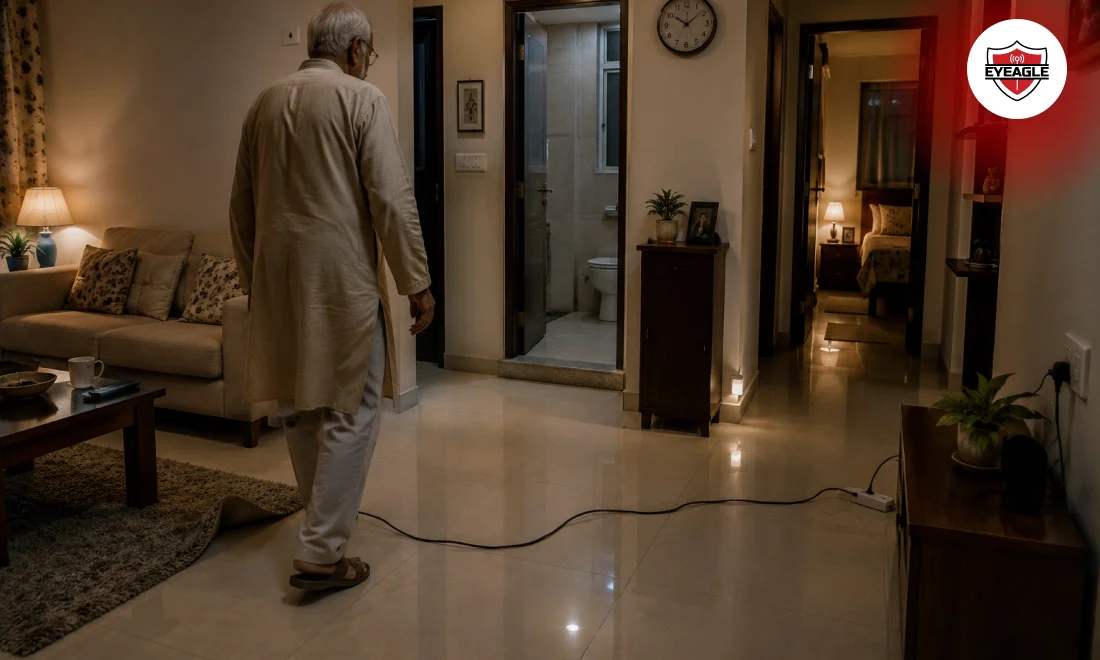
Technology is becoming one of the strongest allies in ensuring safety and independence for older adults. From wearable health monitors to fall-detection sensors and emergency alert systems, digital tools are transforming how seniors manage their well-being. These innovations not only save lives during emergencies but also provide peace of mind to families who may live far away.
Smart home solutions, voice-assisted devices, and mobile health applications now allow seniors to stay connected, track medication, and receive timely medical support. The growing reach of internet access and smartphones in India is making these tools more accessible than ever before.
Community and family – The emotional backbone
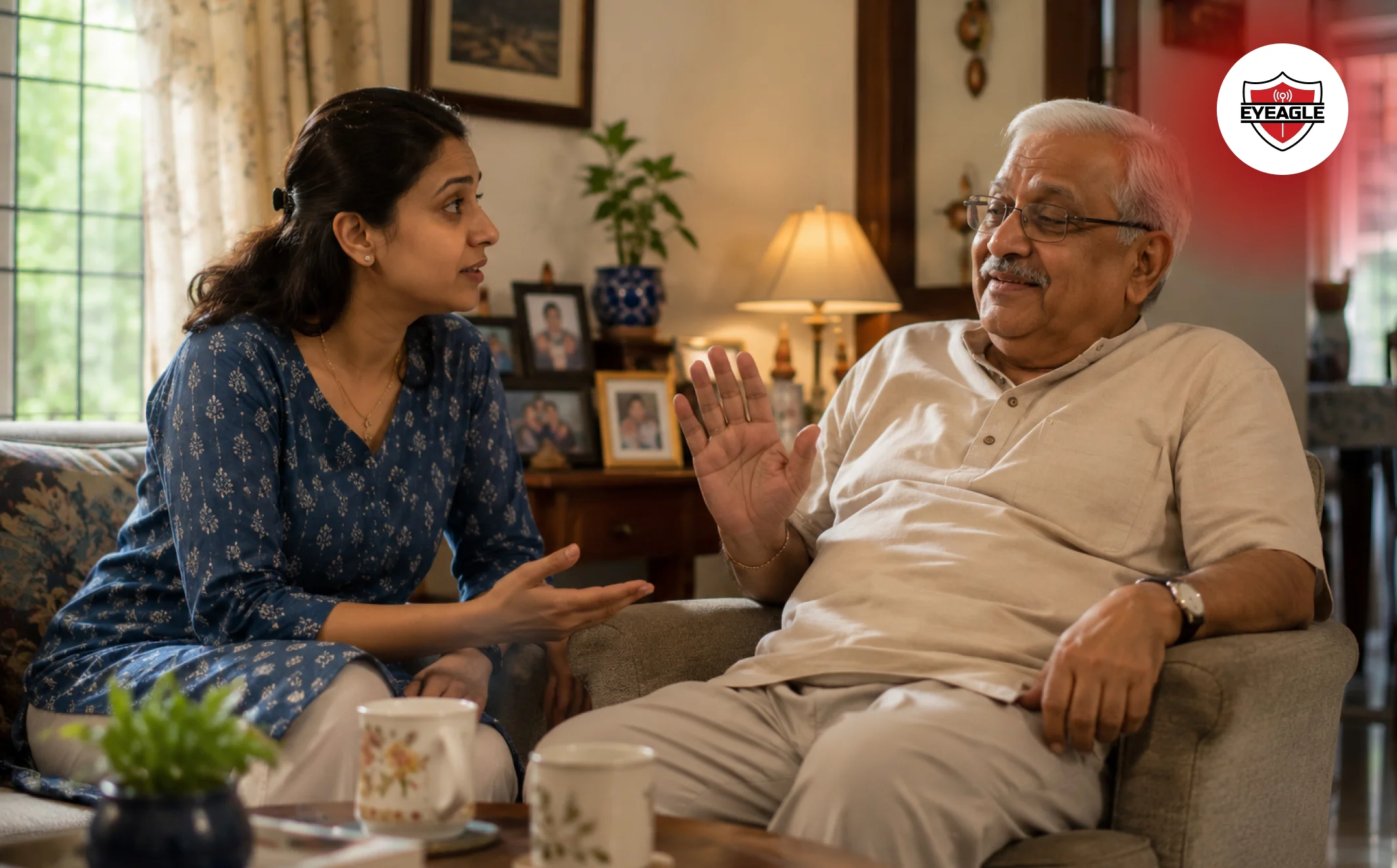
No amount of policy or technology can replace the power of human connection. As India’s senior population grows, families and communities remain the most important pillars of emotional and social well-being. Aging often brings transitions, retirement, health changes, or the loss of companionship, which can leave seniors vulnerable to loneliness. Regular interaction with loved ones, participation in local programs, and a sense of belonging can make all the difference.
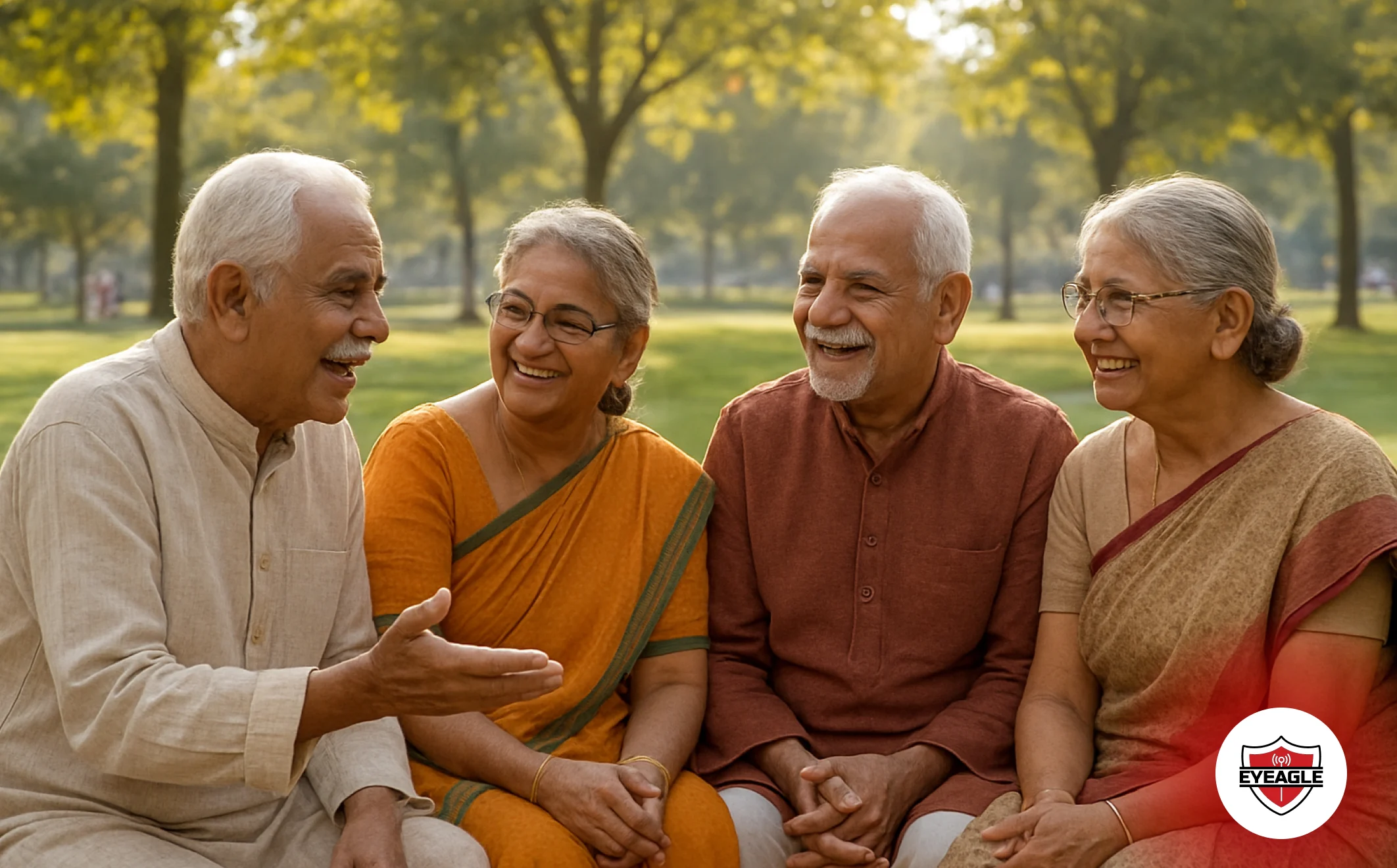
Across India, several community-based initiatives and senior wellness programs are helping bridge this gap. Activity clubs, neighborhood support circles, and intergenerational projects not only reduce isolation but also give seniors purpose and routine. Encouraging elders to share their life stories, skills, and wisdom strengthens family bonds and keeps traditions alive.
Families that listen, include, and engage actively with their older members nurture more than relationships; they build resilience, confidence, and emotional security that no system can substitute.
Building an age-friendly India – The road ahead
India’s aging population presents a defining opportunity to reshape the nation’s social and healthcare framework. Building an age-friendly country means designing spaces, systems, and mindsets that include seniors in every aspect of life. Cities must prioritize accessible infrastructure, ramps, handrails, barrier-free public transport, and safe pedestrian zones. Equally important are rural initiatives that extend healthcare access, digital literacy, and social participation to every elder, regardless of geography or income.
Training caregivers, improving pension systems, and integrating senior-focused services into urban and rural planning will be crucial steps. Collaboration between government bodies, NGOs, and the private sector can create sustainable models for elder care that combine affordability, safety, and respect.
Conclusion
India’s Silver Tsunami is more than a demographic trend; it is a call to action. As the nation steps into a future where millions will live longer than ever before, society must evolve to make those years safer, healthier, and more fulfilling. The measure of progress lies not only in how many years we add to life but in how much life we bring to those years.
From healthcare reform and technological innovation to stronger families and inclusive communities, every effort counts in shaping an age-friendly India. With compassion, foresight, and collaboration, the country can turn this challenge into an opportunity to lead by example.