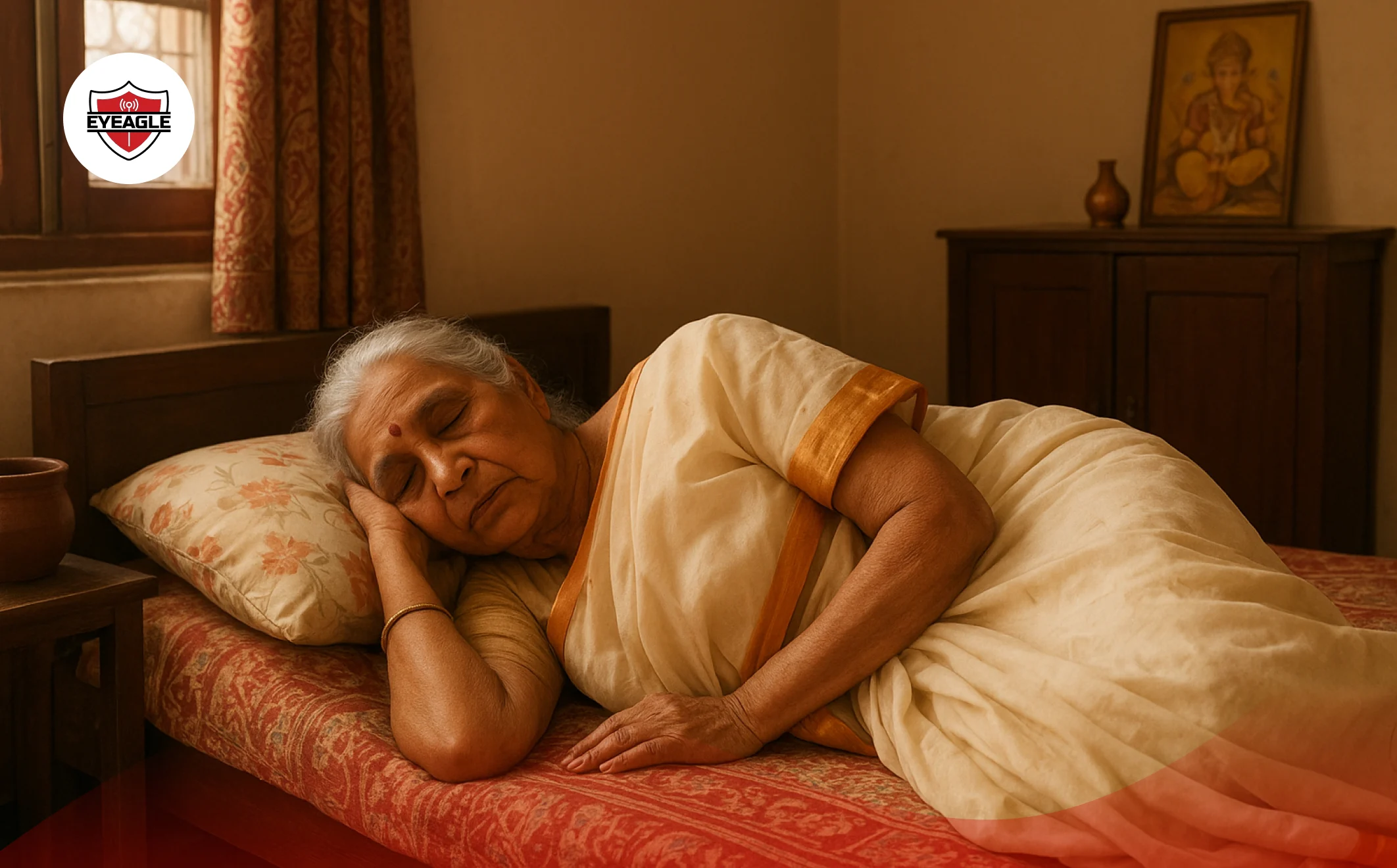
Sleep Hygiene for Seniors
Sleep hygiene for seniors plays a vital role in maintaining overall health and independence. As people age, many find that falling asleep or staying asleep becomes increasingly difficult. What often feels like a normal part of aging is actually a sign that the body’s internal rhythms are changing. Quality sleep supports memory, mood, and physical recovery, and when older adults don’t get enough of it, their energy levels, balance, and concentration can quickly decline.
The thing is that these sleep challenges can be improved with the right habits and awareness. By understanding how aging affects sleep and by building a consistent bedtime routine, seniors can restore deeper, more refreshing rest.Here we explore why sleep matters more than ever in later life and how simple changes in daily routine can help every older adult wake up feeling healthier and more alert.
How Aging Affects Sleep Patterns
As people age, their sleep patterns naturally begin to change. Many seniors notice that they fall asleep earlier in the evening and wake up much sooner in the morning. This shift happens because the body’s circadian rhythm, or internal clock, becomes less stable with age. The hormone melatonin, which helps regulate sleep, is also produced in smaller amounts, making it harder to fall asleep and stay asleep through the night.
In addition to these biological changes, several lifestyle and health factors can disturb rest. Conditions such as arthritis, sleep apnea, or frequent nighttime urination can cause repeated awakenings. Medications for blood pressure, pain, or other chronic conditions may also interfere with deep sleep. As a result, older adults often experience lighter, more fragmented sleep that leaves them feeling less refreshed in the morning. Understanding these changes is the first step toward rebuilding a healthy best sleep routine for seniors that truly supports aging well.
Why Sleep Matters More Than Ever for Seniors
Sleep is often seen as a period of rest, but for older adults, it is one of the most active times for the body’s repair and recovery. During sleep, tissues heal, the immune system strengthens, and the brain organizes memories and clears out toxins. Without enough rest, these natural processes are interrupted, which can affect both physical health and mental clarity.
Sleep hygiene for seniors, good sleep supports more than just energy levels. It helps maintain balance and coordination, reducing the risk of falls. It also plays a major role in heart health, blood pressure control, and emotional stability. Studies show that consistent, high-quality sleep can even slow down cognitive decline and improve overall well-being. In short, getting proper rest is not a luxury in old age — it is one of the most essential habits for living longer, staying active, and feeling good every day.
Common sleep disorders in seniors
Many older adults experience sleep problems that go beyond simple restlessness. As the body ages, certain conditions become more common and can interfere with the ability to get deep, uninterrupted sleep. One of the most frequent issues is insomnia, which makes it difficult to fall asleep or stay asleep through the night. This often leads to fatigue, poor focus, and a lack of motivation during the day.
Other conditions, such as sleep apnea, restless legs syndrome, and periodic limb movement disorder, can also disturb rest. Sleep apnea causes pauses in breathing that can jolt a person awake repeatedly without them realizing it. Restless legs syndrome creates an urge to move the legs at night, preventing relaxation. These disorders not only reduce sleep quality but can also affect heart health, mood, and daily functioning. Recognizing these signs early and consulting a healthcare professional can help seniors get the support they need for better, safer sleep.
Sleep tips for older adults- The foundation of good sleep hygiene for seniors
Good sleep does not depend only on age or health; it largely depends on habits. Establishing healthy routines can help the body recognize when it is time to rest and when it is time to wake up. This process, often called sleep hygiene, is about creating the right environment and mindset for consistent, restorative sleep.
The most effective place to start is with a steady sleep schedule. Going to bed and waking up at the same time each day helps reset the body’s internal clock. Limiting caffeine and heavy meals in the evening, especially close to bedtime, also makes a noticeable difference. The bedroom should be dark, cool, and quiet, with comfortable bedding and minimal distractions.
Small lifestyle choices can also promote better rest. Gentle evening stretches, reading, or listening to soft music can signal the body to slow down. Daytime habits matter too — staying physically active, getting some sunlight, and avoiding long daytime naps all improve nighttime sleep quality. When these practices become routine, seniors often notice fewer sleep interruptions and more energy during the day.
When Poor Sleep Signals a Bigger Issue
Not every restless night is a cause for concern, but when sleep problems persist, they may be a sign of something deeper. Constant fatigue, confusion during the day, frequent naps, or sudden mood changes can all point to underlying health issues such as sleep apnea, depression, or other medical conditions that affect rest. Ignoring these signs can lead to a gradual decline in physical strength, memory, and emotional balance.
Poor sleep also increases the risk of accidents and falls, especially during late-night movements or early-morning trips to the bathroom. For many seniors, the bathroom can be one of the most unsafe areas in the home. Installing reliable support solutions, such as the EyEagle Bathroom Safety Kit, can make these moments much safer by reducing the risk of slips, falls, and injuries.
A doctor can help identify possible causes, adjust medications, or recommend sleep studies if necessary. Addressing these problems early not only improves sleep quality but also reduces the risk of falls, memory loss, and weakened immunity.
Conclusion
Sleep is one of the most powerful yet underrated tools for healthy aging. While changes in the body and mind are inevitable with age, the ability to rest well can still be protected and improved through awareness, routine, and care. Understanding how sleep works, recognizing when it changes, and practicing good sleep hygiene for seniors can transform not only the quality of rest but also the quality of life itself.
For seniors, every restful night helps the body recover, the mind stays sharp, and the spirit remains calm. With supportive environments and the right daily habits, aging can be both graceful and energetic. After all, better sleep is not about adding years to life; it is about adding life to those years.