The Importance of Open Conversations About Aging
Aging is a natural part of life, yet conversations about it often remain silent. Many families avoid discussing topics related to growing older, fearing discomfort, sadness, or misunderstanding. However, creating open conversations about aging is one of the most powerful ways to build understanding and emotional closeness between older adults and their loved ones.
Talking about aging helps bridge generational gaps, allowing seniors to express their feelings, concerns, and experiences openly. It also helps families prepare for important decisions related to health, independence, and emotional support. When handled with compassion and patience, these conversations can transform aging from something to be feared into something to be shared, a stage of life marked by mutual respect, learning, and care.
Why Talking About Aging Matters
Open communication about aging plays a crucial role in maintaining emotional connection and understanding within families. When conversations are avoided, older adults may begin to feel left out of important discussions or uncertain about how their loved ones view their changing needs. Silence can often lead to misunderstanding or even loneliness, especially when seniors start sensing shifts in their health, independence, or routines.
Talking about aging allows families to face these transitions together, with empathy rather than fear. It helps everyone prepare for decisions related to health, safety, and future care, while also preserving the dignity and individuality of older adults. These conversations show seniors that their experiences and opinions still matter, reinforcing their sense of purpose and belonging. When families choose openness over avoidance, they create space for connection, trust, and shared peace of mind.
Understanding the Challenges Behind the Silence
Even in close families, conversations about aging can feel uncomfortable. Many people hesitate to bring up topics related to growing older, fearing they might sound insensitive or cause unnecessary worry. Older adults, on the other hand, may avoid the subject because they do not want to appear dependent or become a burden to their loved ones. This quiet avoidance often comes from care and protection on both sides, yet it ends up creating emotional distance.
Age-related changes can also make these conversations more complex. Declining health, memory challenges, or shifting family roles may lead to frustration or embarrassment. In some cases, seniors may wait for others to start the conversation, while family members assume the elder prefers silence. Breaking this pattern requires patience, understanding, and a willingness to listen without judgment. When approached with empathy, these discussions become less about fear and more about support and shared strength.
How to Start Meaningful Conversations
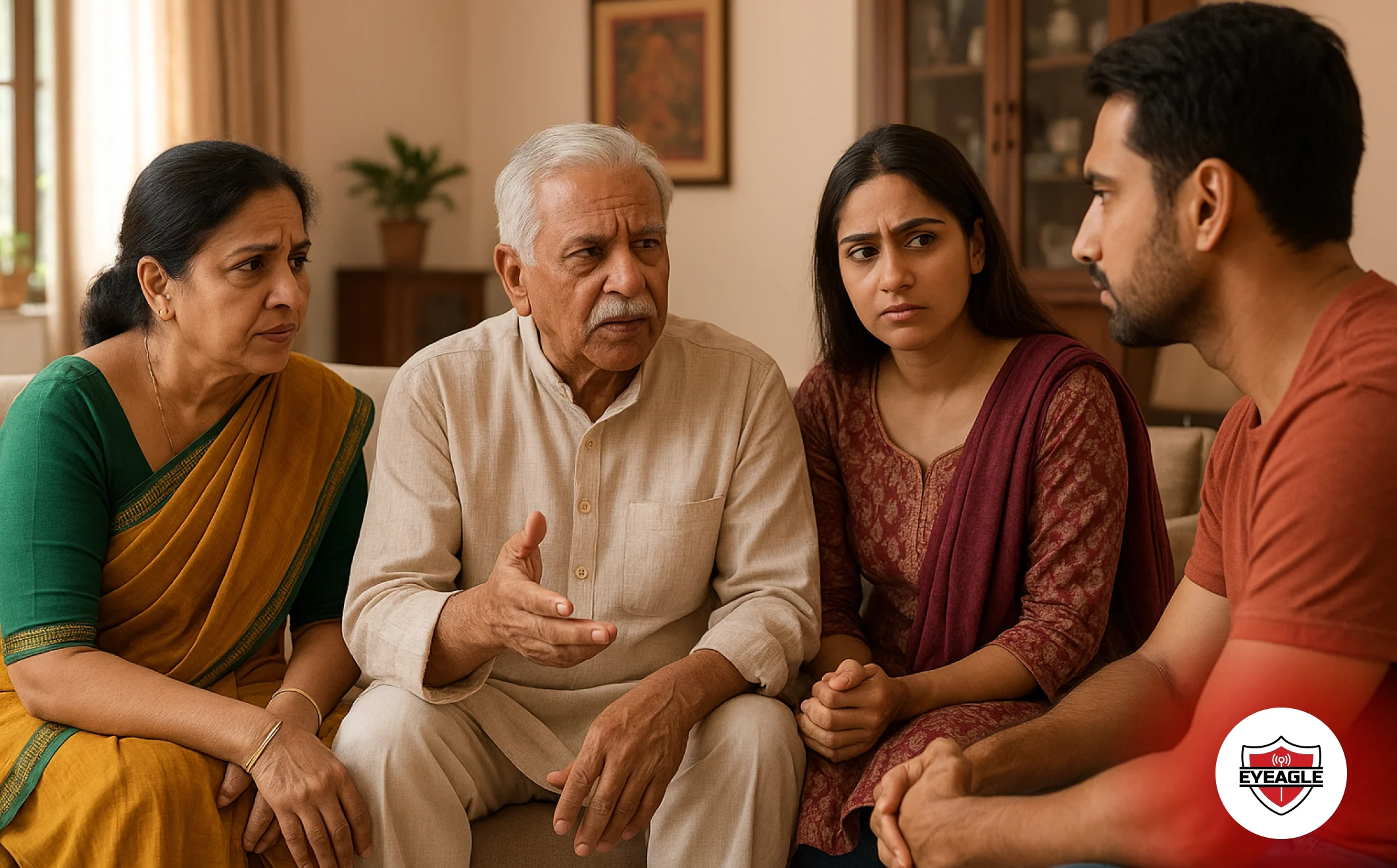
Starting conversations about aging requires sensitivity and care. It is not always easy to find the right words, but what matters most is creating a safe space where older adults feel respected and heard. Choosing a calm, private setting helps both sides speak more openly without distraction or pressure. The goal is not to lecture or decide for them but to listen, understand, and include them in every part of the discussion.
Simple approaches can make a big difference. Begin with open-ended questions such as, “How have you been feeling lately?” or “Is there anything you’d like us to plan together?” Let the conversation flow naturally instead of rushing to solutions. Active listening is key, make eye contact, show genuine curiosity, and avoid interrupting. Checking in regularly, even for short chats, helps keep communication consistent and meaningful. When families speak with empathy and patience, aging stops feeling like an uncomfortable topic and becomes a shared experience built on trust and care.
Building Trust and Emotional Safety
Trust forms the heart of every meaningful conversation, especially when discussing aging and elderly issues topics as personal as aging. Older adults are more likely to open up when they feel their thoughts and emotions are treated with patience and respect. Listening without interruption, validating their feelings, and allowing them to express both fears and hopes helps create emotional safety, a space where honesty replaces hesitation.
Open conversations about aging are not only about practical matters like health or living arrangements; they are about dignity and connection. When seniors feel that their voices matter, they begin to share more freely about what truly concerns them. This emotional openness reduces loneliness, strengthens family relationships, and gives loved ones a deeper understanding of their needs. Through consistent communication and genuine empathy, families can create an environment where elders feel valued, supported, and at peace with every stage of life.
The Role of Family Support in Healthy Aging
Family plays an irreplaceable role in shaping how older adults experience aging. When loved ones make the effort to listen, involve, and support seniors in decisions about their lives, it strengthens both confidence and emotional well-being. Open conversations about aging within the family help elders feel valued and respected, rather than dependent or left behind. These discussions also give families the clarity they need to plan together — from health choices to daily routines, in ways that preserve dignity and mutual understanding.
Supportive communication helps reduce anxiety about the future and encourages a sense of belonging. It reminds older adults that they are not alone in this journey and that their experiences continue to guide those around them.
When Conversations Turn Difficult
Not every discussion about aging goes smoothly. Emotions, generational differences, or personal fears can sometimes make these conversations tense or even painful. Older adults may feel defensive or misunderstood, while younger family members may struggle to express concern without sounding controlling. These moments are natural and should not discourage further communication.
The key is patience and consistency. If a conversation becomes emotional, it is better to pause, give everyone space, and revisit the topic later with a calmer mindset. Choosing the right time and setting often makes discussions easier. In some cases, involving a neutral third person, such as a doctor, counselor, or trusted friend, can help keep the focus on understanding rather than disagreement. What matters most is to keep the door open. Even imperfect conversations show care, and over time, they build the trust needed for honest, respectful dialogue about aging.
Conclusion
Aging is not something to be hidden or feared; it is a shared human experience that deserves understanding and respect. When families and communities talk openly about aging, they replace uncertainty with clarity and isolation with connection. These open conversations about aging help elders feel valued, give families peace of mind, and build a foundation of trust that makes every stage of life more meaningful.
Healthy communication is one of the strongest forms of care. By choosing to listen with empathy, speak with honesty, and act with compassion, families can turn aging into a journey of mutual growth.