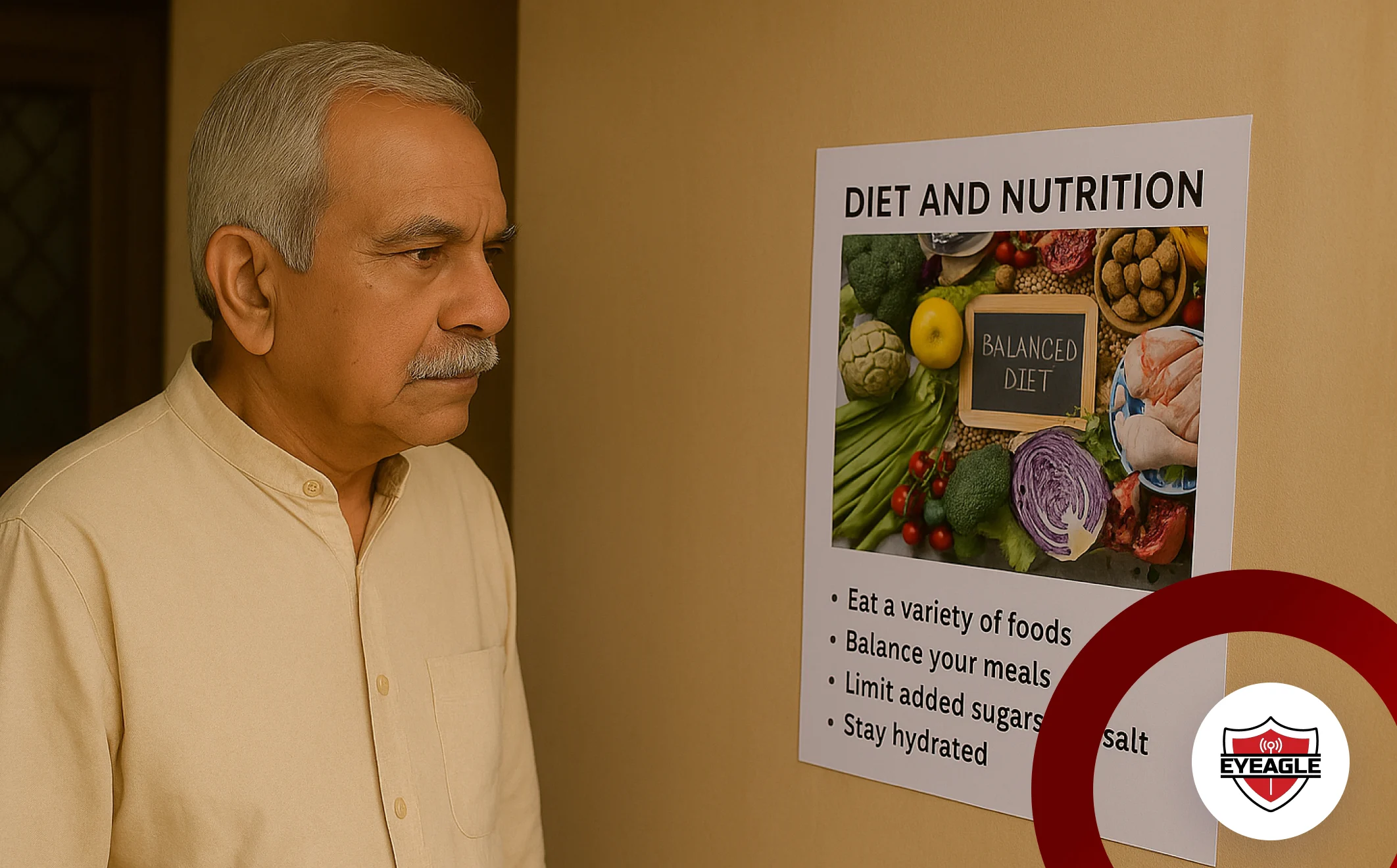
The Role of Diet and Nutrition in Healthy Aging
Aging is a natural process, but how we age depends significantly on the choices we make, particularly in terms of our diet. The right nutrition doesn’t just fuel the body; it plays a vital role in healthy aging, helping to maintain strength, independence, and overall quality of life.
As we grow older, changes like muscle loss, weaker bones, and a slower metabolism make good nutrition more important than ever. In fact, studies show that nearly 1 in 3 adults over 65 is at risk of malnutrition, which can increase the chances of illness, falls, and reduced mobility.
On the flip side, a balanced diet rich in protein, vitamins, minerals, and healthy fats can protect against chronic diseases, sharpen the mind, and keep energy levels steady. In simple terms, eating well is one of the best ways to age well.
Key principles of healthy aging through diet
Healthy aging isn’t about strict diets or giving up favorite foods; it’s about finding the right balance to support the body’s changing needs.
Importance of a balanced diet for elderly adults
As we age, the body requires fewer calories but more nutrients. This means every meal should be nutrient-dense, not just filling. A balanced plate often includes:
-
Lean proteins like fish, poultry, beans, or eggs to maintain muscle mass.
-
Colorful fruits and vegetables for vitamins, antioxidants, and fiber.
-
Whole grains provide steady energy and aid digestion.
-
Healthy fats from nuts, seeds, and olive oil to support heart and brain health.
How nutrition impacts longevity and independence
-
Lower risk of chronic diseases such as diabetes, heart disease, and osteoporosis.
-
Improved mobility and strength, reducing the chance of falls and fractures.
-
Sharper mental function, which helps with memory and decision-making.
-
Better emotional well-being, since nutrient-rich foods can boost mood and reduce fatigue.
Vitamins and minerals for strong bones
Bones naturally weaken with age, making fractures more likely. Two nutrients are especially important:
-
Calcium (from dairy, leafy greens, fortified plant milks) keeps bones dense.
-
Vitamin D (from sunlight, fortified foods, or supplements) helps the body absorb calcium.
Other key nutrients include magnesium and vitamin K, which also play roles in bone strength.
Immune-boosting foods for healthy aging in older adults
-
Vitamin C (oranges, strawberries, bell peppers) supports the immune response.
-
Zinc (pumpkin seeds, seafood, beans) helps fight infections.
-
Antioxidants (berries, spinach, nuts) reduce inflammation and protect cells from damage.
Brain and heart health through nutrition
Omega-3s and brain-boosting foods
The brain thrives on healthy fats, especially omega-3 fatty acids. These nutrients support memory, focus, and may even reduce the risk of dementia. Great sources include:
-
Fatty fish like salmon, mackerel, and sardines
-
Walnuts and chia seeds
-
Flaxseeds and flax oil
Heart-healthy diet for seniors
The heart works hard every day, and with age, it needs extra support. A heart-smart diet and healthy aging lower the risk of heart disease, which remains one of the leading causes of death in older adults. Important elements include:
-
Fiber-rich foods like oats, beans, and vegetables to lower cholesterol.
-
Healthy fats (olive oil, avocados, nuts) instead of saturated fats.
-
Reduced sodium intake to prevent high blood pressure.
-
Plenty of fruits and vegetables for vitamins, minerals, and antioxidants.
Preventing age-related diseases with food choices
The food choices we make every day have a direct impact on how the body ages and how likely we are to develop certain health conditions. A smart diet can act as a shield against common age-related diseases, giving seniors a better chance at living longer, healthier lives.
Nutrition’s role in managing diabetes and blood sugar
Diabetes is common in older adults, but the risk can be lowered with mindful eating. Helpful dietary steps include:
-
Choosing whole grains over refined carbs to keep blood sugar steady.
-
Eating high-fiber foods (beans, lentils, vegetables) can slow sugar absorption.
-
Limiting added sugars and sweetened drinks.
Anti-inflammatory foods for joint health
Arthritis and joint pain can make daily life challenging. Certain foods help fight inflammation, easing discomfort:
-
Fatty fish (rich in omega-3s)
-
Colorful vegetables like spinach, carrots, and bell peppers
-
Berries and citrus fruits
-
Spices such as turmeric and ginger
These foods act as natural protectors for the joints, reducing stiffness and pain.
Diet strategies to reduce dementia risk
While no diet can fully prevent dementia, research shows that certain eating habits may lower risk:
-
The MIND diet, which combines the Mediterranean and DASH diets, focuses on vegetables, nuts, and lean proteins.
-
Limiting processed foods and red meats, which can contribute to inflammation and poor brain health.
-
Including foods rich in antioxidants like blueberries, kale, and green tea, which protect brain cells.
Eating for prevention not only reduces disease risks but also promotes better daily functioning, from sharper memory to stronger joints.
Hydration and healthy aging
When we think about nutrition and longevity, water often gets overlooked. Yet, staying hydrated is just as important as eating well, especially for older adults. Even mild dehydration can affect mood, energy, and overall health.
Why seniors are more prone to dehydration
As we age, the body’s sense of thirst becomes weaker. This means older adults may not feel thirsty even when their bodies need water. Other factors that increase dehydration risk include:
-
Certain medications (like diuretics) that flush fluids from the body
-
Health conditions such as kidney disease or diabetes
-
Reduced mobility, which makes getting up for water harder
Because of these factors, seniors may not realize they’re dehydrated until symptoms like confusion, dizziness, or fatigue set in.
Smart ways to stay hydrated daily
Hydration doesn’t have to mean just drinking plain water. Seniors can stay hydrated with:
-
Herbal teas (unsweetened)
-
Fruits with high water content (watermelon, oranges, cucumbers)
-
Soups and broths
-
Low-fat milk or fortified plant-based milks
A good rule of thumb is 6–8 cups of fluids per day, unless otherwise directed by a doctor. Keeping a water bottle nearby or setting reminders can also help make hydration a daily habit.
By making hydration a priority, seniors can improve digestion, joint health, mental clarity, and overall energy levels, all vital for healthy aging.
Overcoming common nutrition challenges in aging
Appetite loss and taste changes
It’s common for older adults to experience a reduced appetite or changes in taste due to aging, medications, or health conditions. This can lead to eating less than the body needs.
Solutions:
-
Eat smaller, more frequent meals throughout the day.
-
Add flavor with herbs, spices, or lemon juice instead of relying on salt.
-
Include high-calorie, nutrient-dense foods like nut butter, avocados, or smoothies.
Dental Issues and difficulty chewing
Dental problems or ill-fitting dentures can make chewing tough foods challenging.
Solutions:
-
Choose softer options like scrambled eggs, yogurt, oatmeal, or mashed vegetables.
-
Blend fruits and greens into smoothies for an easy nutrient boost.
-
Opt for stewed meats or soups that are tender and easier to chew.
Falls in the elderly and nutrition’s role
Muscle weakness, poor bone health, and dehydration can increase the risk of instability while walking, making seniors more prone to falls. Since many falls occur in the bathroom, additional safety steps matter too. Supportive tools, such as the EyEagle bathroom safety kit, can help create a safer environment and give seniors confidence in daily routines.
Nourishing the body for longevity and vitality
Aging well isn’t about avoiding the years; it’s about making those years as healthy and fulfilling as possible. Nutrition plays a powerful role in that process. From maintaining strong muscles and bones to protecting the brain and heart, the right diet and healthy aging can make the difference between merely getting older and truly thriving.
For seniors, focusing on balanced meals, hydration, and nutrient-rich foods helps preserve independence, reduce disease risks, and boost overall quality of life. Add in simple adjustments like mindful portion sizes, easy-to-chew meals, and budget-friendly shopping, and healthy eating becomes both realistic and enjoyable.
The takeaway is simple: what we eat today shapes how we age tomorrow. By embracing healthy nutrition habits, seniors can enjoy not only more years of life but also more life in their years.
Disclaimer: The information provided in this article is intended for general knowledge and educational purposes only. It is not a substitute for professional medical advice, diagnosis, or treatment. Elderly individuals may have unique health conditions or medication requirements, and the tips mentioned may not be suitable for everyone. Always consult a qualified healthcare professional or your physician before making any changes to your health routine, diet, medication, or lifestyle. The publisher and author disclaim any liability for outcomes resulting from the use of this information.